「華人戴明學院」是戴明哲學的學習共同體 ,致力於淵博型智識系統的研究、推廣和運用。 The purpose of this blog is to advance the ideas and ideals of W. Edwards Deming.

2009年9月22日 星期二

三頭六臂集 730-739

三頭六臂集


739

消基會抽查市售紅棗、枸杞、人參、當歸,發現六成五殘留農藥,還有十九件驗出二氧化硫。其中,枸杞全數驗出農藥殘留,七成驗出四到五種農藥,人參還驗出七種國內禁用農藥,「吃補如吃毒」。

消基會今年七月抽查參藥行、中藥店、生鮮超市、福利中心等地所販售的紅棗、枸杞、人參、當歸各十件,檢測防腐劑、二氧化硫、及殘留農藥等。

消基會董事長謝天仁表示,民眾常將人參、枸杞用以泡茶,紅棗、當歸也時常入菜,造成中藥角色「妾身未明」,政府未訂定相關檢測標準,形成食品安全漏洞。

調查發現,枸杞全數驗出含合成除蟲菊劑的殘留農藥芬化利,胺基甲酸鹽類殺菌劑貝芬替、有機氮及雜環化合物類殺蟲劑亞滅培、益達胺等,其中七成皆檢出有四到五種以上殘農藥。謝天仁指出,枸杞絕大多數來自中國,其中七成五皆含殘留農藥,民眾需當心。

紅棗中高達九成驗出殘留農藥芬化利,或有機氮及雜環化合物類殺菌劑得克利。人參則有七成驗出有機氯農藥五氯硝苯、滴滴涕、α- 蟲必死等國內早已禁用的農藥。

二氧化硫具抗菌、防止褐變功效,常被使用於各類食物中。若食入過量二氧化硫,可能導致氣喘、頭痛或噁心等過敏症狀。

消基會表示,目前國內只針對人參訂定汙穢物質限量標準,當歸也僅規範總重金屬限值,紅棗、枸杞則未訂定明確的相關標準。民眾在烹調中藥前最好先浸泡,烹煮時不加蓋,以減少有害物質殘留量。


738

豐田公司因為Lexus(凌志)、Camry等車款的地墊 (floor mats)可能卡住油門踏板,造成汽車失控,準備發動在美國歷來最大規模的380萬部汽車召修計畫。

一位加州高速公路巡警上月底開一部凌志汽車高速行駛時,因為地墊卡住油門,造成汽車失控翻覆,巡警和他的三位家人喪生。豐田公司兩周前就已通知美國經銷商,調查地墊的安裝情況。

豐田公司美國行銷部副總裁米勒29日在記者會上說:「豐田認為這是非常重大的事件,很快就會針對特定的豐田與凌志車款實施安全檢查。」

運輸部的全國高速公路交通安全局 (NHTSA)表示,豐田汽車準備宣布正式的召修計畫,最快下周就會通知車主。運輸部長拉胡德的聲明說:「基於安全起見,我們強烈建議這些汽車的車主移除車墊。」

NHTSA說,已經接獲102件豐田汽車油門可能被地墊卡住的案件。NHTSA建議移除地墊的豐田車款包括2007-10 Camry、2005-10 Avalon、2004-09 Prius油電混合車、2005-10 Tacoma小貨車、2007-10 Tundra小貨車、Lexus 2007-10、ES 350、2006-10 IS 250與IS 350。

豐田汽車今年在美國的銷售暴減29%,召修事件可能使未來的行銷雪上加霜。豐田汽車在美國交易的存託憑證29日下跌1.31美元或1.6%,以79.32收盤。

豐田2007年時,也曾因為類似的瑕疵在美國召修5.5萬部Camry與凌志ES 350。豐田此前在美國最大的汽車召修行動,是召回97.8萬部汽車,修理駕駛盤的控制瑕疵。

『米当局がトヨタの対応批判~マット問題は設計上の欠陥』


☆一部抜粋☆
トヨタは10月、「プリウス」など約380万台を対象にマッ
トの取り外しを利用者に求め、安全対策を施す「セーフ
ティー

737

Toyota recalls 690,000 China cars

2007 Toyota Yaris on display at a motor show
The Yaris compact car is one of four Toyota models affected

Toyota, the world's biggest carmaker, is recalling almost 690,000 cars made in China because of faulty electrical window switches.

The recall affects the company's Camry, Corolla, Vios and Yaris models made at two joint ventures in China - Guangzhou Auto and Tianjin FAW.

This represents Toyota's biggest recall of cars in China.

The company said that no injuries or accidents had been reported as a result of the faulty electrics.

'Short-term impact'

"The size of the recall is big, but won't be a major problem for Toyota given the nature of the defect. Still, there will be some impact in the short term," said Huang Zherui, analyst at CSM worldwide.

The recall includes 384,736 Camrys made with Guangzhou Auto between 15 May 2006 and 31 December 2008.

A total of 22,767 Yaris compact cars made last year with the same partner are also being recalled.

The affected cars also included 245,288 Corollas and 35,523 Vios made in 2008 with FAW.

Last month, rival Japanese carmaker Honda announced it was recalling 440,000 vehicles in the US because of an airbag defect.


736

William Safire, Political Columnist and Oracle of Language, Dies at 79

先生有恩於我
在一篇文章中解決 hanching chung 提出的問題


735

企業活動真的可以用"......之旅"名之乎
懸疑和探險

“There is a journeylike quality to the course and the book,” he said, adding that he did not “want to spoil the sense of suspense and exploration” about where this journey leads.


734

加油槍抽查,是度量衡制度問題和規格與校正問題......

哪家公司的加油槍最會A?答案是中油!哪裡的加油站最慷慨?答案是基隆!消保會全台抽查近兩千支油槍,發現企業中以中油約四成七油槍短發(少給)最多,台灣優力有八成油槍超發(多給)「最划算」;基隆、台中市加油站最「凱」,新竹、苗栗加油站最「黑」。
  消保會於今年七到九月間在全台抽查八十七間加油站、共近兩千支加油槍,發現共有六百多支短發,比例約三二%;一千多支超發,比例約五三%。若以企業別細究,短發以中油四七%最高、山隆通運四二%居次,台亞石油與統一精工三六%排第三,全國三三%排第五。

   消保官組長吳政學表示,依度量衡法規定,誤差超過千分之五(即十公升誤差五十毫升)就屬不合格油槍,業者須立即停用、改善,否則可依度量衡法第五十三條 開罰一萬五千到七萬五千元;這次抽檢共有廿九支油槍不合格,複驗後已改善。(新聞來源:中國時報─記者唐鎮宇/台北報導)
733
制度鄉相同 人心相同
交通罰單大家猛挨
因為警察 要業績 貪財

http://word-watcher.blogspot.com/2009/09/gendarmes-fines-issued-by-police.html

gendarmes, fines issued by the police

Car drivers try to put the brakes on traffic fines


732

921 十周年 介紹新校園建築淡化
  1. 最有利標作業簡介 - 政府採購資訊中心

  2. 最有利標作業法規

    最有利標作業法規. ★最有利標評選辦法(96年4月25日修正). ★取最有利標精神作業注意事項(未達公告金額;未達100萬). ★機關異質採購最有利標作業須知 ...
又回到最低標

731
論語˙泰伯「死而後已」句下朱熹˙集注:「一息尚存,此志不容少懈,可謂遠矣。」
730

With Low Prices, Hyundai Builds Market Share


Published: September 21, 2009

DETROIT — It was not exactly a planned strategy, but the recession, particularly in the United States, has been very good for Hyundai, the South Korean automaker.

Skip to next paragraph
Seokyong Lee/Bloomberg News

Hyundai’s goal is to have the industry’s highest fuel economy by 2015; it is currently third, behind Toyota and Honda.

Charles Rex Arbogast/Associated Press

John Krafcik, head of Hyundai Motor America, said, the brand was well placed, “particularly in a recessionlike environment.”

Fabrizio Costantini for The New York Times

George Glassman, a Hyundai and Kia dealer in suburban Detroit, is seeing customers of various ages and income brackets.

After years of struggling to prove to consumers than it was more than a second-tier brand, Hyundai Motor America and its affiliate, Kia Motor America, accounted for 8 percent of the new-vehicle market in the United States in August, more than Chrysler’s 7.4 percent. The company sold more than 60,000 vehicles last month as buyers rushed to take advantage of the government’s cash-for-clunkers program before its end.

The carmaker’s sales topped August 2008 by 47 percent — total industry sales were up only 1 percent.

“They have a tremendous amount of momentum right now, and I don’t see that stopping,” said Erich Merkle, an analyst who founded the Web site Autoconomy.com in Grand Rapids, Mich. “Hyundai is a competitive threat not just to the Big Three but for the first time to the Japanese automakers as well.”

Globally, the Hyundai-Kia Automotive Group, which owns the Hyundai Motor Company and about 39 percent of Kia Motors, passed Honda last year and the Ford Motor Company this year. It became the fourth-largest automaker, behind Toyota, General Motors and Volkswagen (it is seventh in the United States). It was in 11th place worldwide less than a decade ago.

Hyundai and Kia both expect to sell more vehicles in the United States this year than they did in 2008, a claim that only one other automaker, Subaru, can make. Sales by all of Hyundai’s bigger competitors have fallen by more than 20 percent so far this year.

“There’s a great spot for a brand like ours, particularly in a recessionlike environment,” John Krafcik, the chief executive of Hyundai Motor America, said. “Consumers are beginning to question the value of a premium brand — is it worth an extra $5,000?”

Hyundai’s Exhibit A is the Genesis, a luxury sedan that was named North American car of the year at the Detroit auto show in January. Part of the appeal of the Genesis, in addition to a price tag that is thousands less than that of its chief rivals, may be that hardly anyone associates Hyundai with the word “luxury.”

Its lowest-priced model, the Accent, sells for just under $10,000 for the base package. The Genesis, its most expensive model, starts at $32,250 — by comparison, the Lexus ES 350 costs $34,470, and the Cadillac CTS costs $36,560.

Several dealers have said that they are selling the Genesis to business owners who, after laying off some employees, want to project an image that they, too, are cutting back.

“The current economic climate really places an emphasis on people spending their money wisely,” said George Glassman, a Hyundai and Kia dealer in suburban Detroit who sold Oldsmobiles until G.M. eliminated that brand in 2004.

“They’re appealing to people’s desires to spend reasonably and to get great value for your dollar,” Mr. Glassman said. “Twenty years ago, Hyundai was a reasonable alternative to purchasing a used car. Now they are attracting consumers from all ages and all walks of life.”

Mr. Glassman’s recent customers include Joe Randazzo, who had considered the Chevrolet Malibu sedan because his son works for G.M. Despite the family connection and his past preference for Cadillacs, Mr. Randazzo chose to buy a Hyundai Sonata.

“It’s a very good ride, and I really enjoy driving it,” said Mr. Randazzo, 79, who is retired from running a ceramic tile business. “I used to drive Cadillacs all the time. I don’t need to drive a heavy car like that anymore. No disrespect to G.M. or anybody, but my next car will be a Hyundai, too.”

Hyundai’s research indicates that 30 percent of consumers now consider the brand when shopping for a new vehicle, nearly triple the number who did about five years ago.

“They went from the perception of cheap to an excellent value,” said Mr. Merkle, the analyst. “I think that this will stick even after we come out of this environment, because people are becoming better acquainted with the product.”

Aggressive marketing is another reason Hyundai’s sales are surging. The automaker introduced a first-of-its-kind offer early this year that lets customers who find themselves without work return their car with no penalty for up to a year. It later expanded the offer to include up to three months of payment relief.

G.M. and Ford briefly offered similar programs after the Hyundai program helped increase sales.

Hyundai also jumped ahead of competitors this summer, by inviting customers to turn in old, inefficient vehicles under the cash-for-clunkers program three weeks before its official start.

“They’re really trying to use this recession as an opportunity to take market share, which they have,” Jessica Caldwell, director of industry analysis at Edmunds.com.

Hyundai and Kia are pushing for more. In November, Kia plans to open a new assembly plant in West Point, Ga., its first in the United States. (Hyundai has a plant in Alabama.)

Several new models are coming soon, including the compact Kia Forte this fall and revamped versions of the Hyundai Sonata and Tucson next year.

The company’s goal is to have the industry’s highest fuel economy by 2015; it is currently third, behind Toyota and Honda, even with no hybrid in its lineup.

“We may do that a couple of years earlier if you look at the trajectory we’re in,” said Mr. Krafcik.

2009年8月25日 星期二

三頭六臂集 716-729

三頭六臂集

729
Mr. Nielsen says developing private-label products has required new skills for the company, such as managing quality control and meeting product safety regulations. But online feedback from customers who leave product reviews helps the company make improvements. For instance, Amazon lengthened its first private-label product -- a chaise lounge -- after customers said it wasn't comfortable for tall people.

728


不論榮枯興替,20 世紀的故事,是我們的故事,也是你的故事,正將展現在你眼前,一部喧鬧的人類嘉年華,穿插既壯觀而驚駭的景象,俗豔而燦爛,暴虎憑河卻又豪氣干雲。

珍藏二十世紀

本書在於回顧所謂 20 世紀這 100 年間的生活。

20 世紀是個大成功,也同樣是個大失敗的時代;是個充斥著偉大與邪惡的想法的時代;更是企圖實現這些想法的善惡男女的時代。進步與退敗,仇恨與人道,有人莊嚴 地掌握一己的命運,也有人不能掙脫於不可知的絕望與困惑,黯然退卻。然而,歷史不是一本電腦小說,歷史從無他途,沒有替代方案。 不論榮枯興替,20 世紀的故事,是我們的故事,也是你的故事,正將展現在你眼前,一部喧鬧的人類嘉年華,穿插既壯觀而驚駭的景象,俗豔而燦爛,暴虎憑河卻又豪氣干雲。

作者簡介

彼德.詹寧斯(Peter Jennings)
美國 ABC 電視台晚間新聞主播,是美國最權威、最受尊崇的名主播,在電視新聞界已有逾 35 年的資歷,曾經採訪報導過本世紀的許多重大事件。
陶德.布魯斯特(Todd Brewster)

《珍藏 20 世紀》紀錄長片監製人,曾任《生活》雜誌編輯與撰稿人。

前言

.第 1 章:改變的種子(1901-1914)

.第 2 章:地雷爆炸(1914-1919)

.第 3 章:景氣榮光(1920-1929)

.第 4 章:天候惡劣(1929-1936)

.第 5 章:岌岌可危(1936-1941)

.第 6 章:環球夢魘(1941-1945)

.第 7 章:和而不平(1946-1952)

.第 8 章:大眾市場(1953-1961)

.第 9 章:走上街頭(1961-1969)

.第10章:徬徨年代(1969-1981)

.第11章:新的晨曦(1981-1989)

.第12章:機械大夢(1989-1999)


727

柴俊林將飯店當作社區經營

  • 2009-09-07
  • 工商時報
  • 【本報訊】

 俗話說「計畫趕不上變化」,這句話印證在柴俊林身上,頗為貼切。柴俊林大學唸的是電機系,研究所讀的是企管所,但進入職場的第一份工作,卻是銀行櫃台專 員。他以為,自己會在金融業待到退休,沒想到,3年前,他卻接下台中市全國大飯店副董事長職務,跨入一個完全陌生的領域,他的人生出現大轉彎。

 從金融業轉戰飯店業

 柴俊林是個道地的台中人,因為喜愛台中,他進入華信銀行的第一志願,也是選擇台中分行,即便後來請調到台北總行歷練,他依然每周五搭晚班車回台中、隔周一搭早班車回台北,這樣的生活持續了9年之久。

 因為在台北總行信託部任職的關係,柴俊林結識了勤美集團董事長何明憲,「何董知道我是個愛家、顧家的人,這樣的男人是不會變壞人的」,柴俊林笑著說。

 民國95年8、9月,當何明憲著手併購全國大飯店前,事先詢問柴俊林有沒有經營管理飯店的意願?當晚,柴俊林失眠了,「我最開心的是,有一個發揮的空間,還能回台中真是太棒了!」

 柴俊林雖是飯店業的門外漢,但大老闆、何明憲卻對他說:「人對了,就對了!」何明憲的肯定,給了柴俊林全然的自信。

 柴俊林只問了何明憲兩件事:要玩長期的還是短期的?有沒有充分授權?在得到「保證長期開發、完全充分授權」兩項明確答案後,柴俊林決定放手一搏、接受全新的挑戰。

 民國95年10月20日,勤美集團取得全國大飯店100%股權,柴俊林當天便隻身赴任,何明憲給他的超級任務,就是著手改造經營飯店。

 老店翻新 從重拾員工自信開始

 全國大飯店為台中市第一家五星級飯店,於民國69年開始營運,共有306間客房,還有4間中西式餐廳。過去業界一直傳聞全國大飯店要出售,員工終日人心惶惶、士氣低落,當柴俊林接下這家台中市最老牌的飯店後,他決定從凝聚員工向心力、讓員工們重拾自信心著手。

 柴俊林在接手後的第一個春酒宴上,對著員工說,「全國飯店將定位為台中市服務品質最好的飯店」。他說,服務業的快樂來自客人的肯定,「快樂打從心底,客人才能感受到」,所以,全國推動微笑運動、重視客人們的意見,柴俊林還親自上網看客人的留言,隨時改進、提升服務品質。

 為了進一步提升服務品質,柴俊林2年前推出「啄木鳥」計畫,讓全國飯店280位員工免費在飯店吃飯、住宿,不過,每個員工在吃過、住過後,必須提出50個缺失,再交由人資部門整理,送到各單位作為改善參考。經過「啄木鳥」計畫半年來的改善,全國飯店的服務品質進一步提升。

 「全國飯店想做台中市民的好朋友」,柴俊林說,3年來,全國陸續贊助了台中市政府的爵士音樂節、元宵燈會,9月也是市府「搖滾台中」活動的指定飯店。全國大力配合市府、積極參與藝文活動,「我們要讓台中市民感受到,全國飯店有心參與市民的生活。」

 新點子不斷 老客人回籠

 全國大飯店過去無論住房率或是業績,皆排名台中飯店業的末段班,歷經3年來的努力,去年卻一躍成為第2名。柴俊林對員工開心地說:「全國飯店拿到最佳進步獎,實至名歸。」

 全國飯店的進步,不僅客人感受到了,除了吸引新客人上門外,老顧客也逐漸回籠了,就連何明憲也感受到全國飯店的進步,經常當著親朋好友的面前,對柴俊林讚譽有佳。

 柴俊林說,3年前,當他與某企業主交換名片時,這位企業主看到他的頭銜時,當場表示:「全國飯店只是好停車,菜色卻沒變化!」客人的刺激,讓全國飯店餐飲部門動起來。

 3年來,全國大飯店宛如「過動兒」,餐飲部每年平均舉辦30多場活動,以「全福樓」為例,陸續推出上海法租界、三國宴、山東宴、即將推出紅樓宴,菜色搭配歷史故事,獲得老顧客的好評。這位企業主後來再見到柴俊林,當場對他說,「全國飯店的菜色變化好大。」

 今年以來,全國大飯店砸下逾億元,將飯店外觀與大廳、咖啡廳、國際宴會廳重新改裝,「拉皮」後的飯店,整個脫胎換骨,顯得更溫馨、舒適;下一步,全國的客房也將進行裝修,重新擁抱舊雨新知。

 自從接任全國飯店副董事長後,過去一年休假多達100多天的柴俊林,如今每年休不到10天,他靠的是對這份工作的熱情,「我經營的不是一家飯店,而是社區經營」,他在心裡對自己承諾:「我要在全國大飯店待到退休為止!」


726

不堪長期虧損,台中榮總決定退出健保局的"總額給付制度",院方批評,健保局每個月只讓他們請領兩億元,醫師看越多病人,虧損越多,他們逼不得已,只好實 施限量掛號,病患看病還要用搶的,尤其是慢性病患,掛不到號,就拿不到救命藥,醫生們看不下去,宣佈退出總額給付,未來改採"實際審查制",看多少病人就 報多少的補助,保障病人的看病權。宣佈退出健保總額給付制度後,台中榮總加開31個診間,供民眾掛號,讓想看病的病患都可以來看,更不用再擔心掛不到號, 像是罹患風濕性關節炎的林小姐,他說之前為了搶掛號,常常半夜不敢睡覺。他們都是關節炎的病患,類固醇的藥不能斷,掛不到號,差點延誤病情,如今終於能順 利看病了。台中榮總說,健保局每個月只給他們2億元,病人再多,也無法請領錢,才會要求每位醫生,每天限量120位病患,減少虧損,但有病患拿不到藥,醫 生也看不下去,決定退出健保給付,改採審查制度,向健保局實報實銷。包括台大醫院及台北榮總早就宣佈退出,批評總額給付制度,讓大醫院常常拒收病患,做出 違背良心的事,現在台中榮總也退出,不再限制病人數量,醫生可以看病到半夜11點都沒問題。
725

'Out of the Crisis' - The Deming Management Philosophy

Thu Sep 10, 2009 3:22pm
Cincinnati Seminar offers proven practices to survive and prosper


WASHINGTON, Sept. 10 /PRNewswire/ -- The W. Edwards Deming Institute(R) is
offering a management seminar next month that will provide participants with
critical knowledge to successfully navigate through today's crisis while
instituting practices to ensure long term success. Beginning on October 19th,
a two and a half day seminar, OUT OF THE CRISIS, will present the management
philosophy of the world renowned Dr. W. Edwards Deming.

(Logo: http://www.newscom.com/cgi-bin/prnh/20090612/NE31805LOGO )

This highly successful seminar, which draws on Dr. Deming's lifetime teachings
on quality and management, has been presented and attended all over the world
by those looking to adapt and thrive in a changing marketplace. It is
designed for a broad range of executives, managers and team leaders at all
levels interested in boosting productivity, thinking strategically and
creating an ongoing unique competitive advantage. "Whether you are a start-up
or established organization, these proven management practices will profoundly
affect your bottom line," says Deming's grandson, Kevin Edwards Cahill, Vice
President of The W. Edwards Deming Institute(R).

Why are Deming's ideas the answer? Dr. Deming ignited the worldwide 'quality'
revolution. In 1950, the Japanese, in an effort to revive their ailing
economy, invited Dr. Deming to Japan. Their industry was in complete ruins and
"Made in Japan" was synonymous with poor quality. Over the next three years,
management executives controlling 80% of the capital in Japan attended his
many seminars, and Deming ignited Japanese industry and their economy. In
recognition, the Emperor of Japan awarded Deming the highly coveted Second
Order Medal of the Sacred Treasure. Two decades later a highly acclaimed
documentary reintroduced him to America. Deming quickly became the voice of
quality worldwide.

What are the secrets of Dr. W. Edwards Deming and why are they so relevant
today? "Deming understood that quality was not only the answer but also the
outcome of better leadership, management and practice," says Cahill. "My
grandfather recognized and predicted the impending global crisis years ago."
Through their seminars, The Deming Institute identifies practices that create
problems in an organization and introduces attendees to effective management
practices that will lead them on a path to not only survive, but thrive.
Cahill adds, "We are reminding people of this proven approach. It is
available, ready to implement and vital for short term recovery and long term
sustainability. The time is now."

"Out of the Crisis," The Deming Institute's Cincinnati Seminar will feature
Deming Institute trained facilitators and will be held October 19-21, 2009 at
The Millennium Hotel in Cincinnati. (150 West Fifth Street Cincinnati, OH
45202) For more information, or to register, visit
www.deming.org.

SOURCE The W. Edwards Deming Institute

Kevin Edwards Cahill of The Deming Institute, +1-310-377-6308,
kevin@deming.org; or Media contact, Claire Sanders Swift, +1-202-333-3316,
claire@clairemedia.com, for The Deming Institute


724

價格扭曲之下的初期假繁榮

旧车 |报废奖金:过大于功 (德国经济)


723
We do not work independently, rather as part of a system – either organization or garden. According to quality expert Dr. Edwards W. Deming, people should have joy in their work. Deming believed “that the system within which they work should be designed to make this possible and to enable workers to reach their full potential to contribute to the enterprise, that the system is management's responsibility, that 85 percent of all quality problems are management problems (that is, symptoms of a malfunctioning system), and that organizations and their suppliers need to work together to optimize results for both.” (From July 16, 1995 Siam News, “The Three Careers of W. Edwards Deming,” By Michael J. Tortorella.)

722
許多事情在別人看起來是不可能的 可是有人在其他地方做到了

我再20幾年前就過ㄧ本 CANON PRODUCTION SYSTEM (CPS)地日文書
前幾天獨底下這本 竟然發現這位日本社長真的向吳董這樣要求過CANON
有的甚至降為原來的25%
我寫這EMAIL 只是要大家思考 更深入思考 爲何他們CANON 在20年前的cps還不夠好
還需要大力整頓


佳能式生产方式:佳能、松下、GE成功转型之道

作者:(日本)酒卷久 译者:杨洁
  • 市场价:¥33.00

《佳能式生产方式:佳能、松下、GE成功转型之道》真切地告诉您,想要通过细胞式生产方式使利润最大化,最重要的是哪些因素。细胞式生产方式以佳能的传统即"三自精神"(自发、自治、自觉)为基础,实现了令人惊叹的成就。

作者简介

酒卷久,1940年出生于日本枥木县。1967年进入佳能公司工作,并分配到研究开发部门;从事过VTR的基础研究,复印机的开发,传真机(G3、G4) 的开发,文字处理机的开发,PC的开发,综合企划等工作。1989年开始担任董事系统事业部长。1996年担任常务董事生产部长。从1999年3月开始担 任佳能电子(股份)公司的社长一职,在其任职的5年中,公司的利润增长了10倍,成功把佳能电子(股份)改革成为高收益企业,引起世人洋注。其著作包括 《防止企业信息泄露手册》、《佳能单元式生产方式》、《为自己而工作——佳能高效工作方式》等。

编辑推荐

通过《佳能式生产方式:佳能、松下、GE成功转型之道》中这些科学的生产管理方法,你的企业将获得最大最强的驱动力。

目录


序章 佳能模式的细胞式生产方式是意识改革的管理方法
从生产革新到意识改革的管理方法
发展成为结构性改革的“佳能流”
7年间利润率增长8.8倍
第一章 向细胞式生产方式和传送带生产方式的常识提出挑战
为什么必须实行细胞式生产方式?
细胞式生产方式和传送带生产方式随时代的发展而循环往复
细胞式生产方式和传送带生产方式没有效率上的差别
什么是传送带生产方式时代?
之后的全自动化生产
细胞式生产方式是制作产品的基本
细胞式生产方式的基本分类
传送带生产线
无传送带生产方式
U字型生产线(流程分割生产)
单人货摊式生产方式(单人生产)
货摊式巡回生产方式(单人生产)
巡回生产方式(单人生产)
细胞式生产方式最重要的是质量和熟练度(提高生产效能)
对于操作者的积极性有好的影响
细胞式生产方式能非常有效地削减设备成本
细胞式生产方式也有许多弱点
第二章 细胞式生产系统改变意识
若要引入细胞式生产方式,员工自发的意识改革不可或缺
从细胞式生产方式到细胞式生产系统
工厂的风气改革有目共睹
工厂的改革波及效果显著
首先干部要改变
“二传手”上司毫无用处
管理部门的合理化
目标设定要简单
给改善活动以成长的空间
提高同事之间的竞争意识
将紧张感带到日常生活中
给他们能一直工作下去的安全感
“觉醒”是关键
第三章 最快建成的生产线——美里事业部
第四章 秩父工厂——通过意识改革将
第五章 办公室也要用细胞式生产方式来改革
终结篇 用细胞生产系统改变经营
附录 佳能十年腾飞一郎咸平
……


721

distiller

在ㄧ本介紹杜邦公司 談到SEAGRAM公司 把它當成是蒸餾水公司

The Seagram Company Ltd. was a large corporation headquartered in Montreal, Quebec, Canada that was the largest distiller of alcoholic beverages in the world.

DAVID HSU說
杜邦電子幾經轉手 已經到了這幫人手中了"


720

又一對企業怨偶 Ebay will sell a 65% stake in its Internet phone business to private investors, marking the end of an unhappy tech marriage. The deal values Skype at $2.75 billion.

719

The 1997 Aisin fire was a fire which shut down one of the production facilities of the Toyota-subsidiary Aisin Seiki Co. on February 1 1997,[1] a Saturday. The event was notable as the factory was the main supplier of a motor part for Toyota cars. Due to the just in time stock keeping philosophy of the Toyota Production System (TPS), Toyota's car factories reportedly only kept four-hour stocks of the part [1]. However the event also provided an example of successful business relationships between Toyota and its suppliers, allowing the company to quickly manufacture replacement parts and limit the halt in production of its cars, so minimizing the losses from this event.

Contents

[hide]

[edit] The fire

The fire started before dawn on February 1 1997 at Aisin Seiki Co.'s Factory No. 1 in Kariya, Japan.[1] The cause of the fire was reportedly unknown [1]. The factory produced brake fluid proportioning valves (P-valves) which help prevent skidding by controlling the pressure on rear brakes, and are used in the braking system of all Toyota vehicles[2]. 99% of Toyota's P-valves were made at this plant, with Nisshin Kogyo Co. producing the remaining 1% [1]. With the factory out of production, it was estimated that Toyota would have to halt car production for weeks. The economic impact of this would have been huge for Toyota, the local economy and for Japan. It was estimated that each day Toyota production was halted would lead to a 0.1% decrease in Japan's industrial output.[1] However Toyota managed to get production restarted within 5 days.[1]

[edit] Recovery

Aisin, along with Toyota, set up a crisis room to deal with the problem of manufacturing new P-valves. The production of P-valves was complicated, and required specialised tools. Furthermore, different varieties of P-valves were in production. Toyota managed to get many of its suppliers to bring in additional engineers, and work overtime shifts, to help build machines to produce P-valves, as well as increase production of the components. Some of Toyota's suppliers, and their subcontractors, were persuaded to give priority to the production of P-valves. Even a sewing machine manufacturer was persuaded to help provide valves for Toyota. The first usable valves were delivered to Toyota on the Wednesday (February 5) following the fire, allowing production of cars to resume.[1]

[edit] Lessons from the fire

The fire and the subsequent production crisis held many lessons for Toyota. It showed them that their implementation of the Just In Time production system worked, and that they had "the right balance of efficiency and risk".[1] Toyota also learned to reduce the number of variations in its parts to make production easier as well as to reduce risk. Toyota's suppliers also had the benefit of increasing efficiency in their production as well as learning the lessons of building redundancy into their production methods. The efficiency with which production was re-established also showed the value of the Japanese keiretsu system, where businesses have "interlocking" relationships with each other. The loyalty shown by Toyota's suppliers to the company showed it the value of long-term business relationships: the companies reportedly did not ask what they would be paid for rushing out the valves; Aisin and Toyota later re-imbursed them for the work, including the valves, overtime and re-tooling of their machine, as well as providing a $100 million bonus to the suppliers involved.[1]

[edit] See also

[edit] References

  1. ^ a b c d e f g h i j "How Toyota Recovered From A Major Fire in Less Than a Week". Mirror of Wall Street Journal article. 1997-05-08. http://www.rbbi.com/company/toyota/fire.htm. Retrieved 2006-06-19.
  2. ^ Toshihiro Nishiguchi and Alexandre Beaudet (Fall 1998). "The Toyota Group and the Aisin Fire". MIT Sloan Management Review 40 (1): 49–59. http://sloanreview.mit.edu/smr/issue/1998/fall/4/. Retrieved 2006-06-19.


718

On Leadership by James March,Thierry Weil


Don Quixote explained himself to Don Diego de Miranda" I have not as mad as foolish as I must have seemed to you... All knights have their own endeavors... since it is my fortune to be counted in the number of knight errant. I cannot help but attack all things that seem to me to fall within the jurisdiction of my endeavors.' (II, 17)

...I think that Quixote tells an organization leader that the good leadership combines an exuberance for life with a commitment in the prosaic duties of leaderhip that leadership is poetry and routine as well as action; that is beauty as well as truth, that appreciation of complexity as well as simplicity, that pursuit pf contradiction as well as coherence, the achivement of grace as well as control.
717

Intermountain Healthcare: A model system?

Health care » Medicine driven by data means better outcomes - and lower costs. Why Intermountain may be a peek at America's future.

In the mid-1990s, only about 40 percent of heart surgery patients nationally were going home with the right medications -- beta blockers, anticoagulants and other potentially lifesaving drugs. Intermountain Healthcare's numbers were better, but not by much.

So, in 1997, a research team at the Salt Lake City-based nonprofit health system developed a low-tech solution: a mandatory two-page checklist to help doctors ensure discharged patients get exactly what they need.

It was a simple innovation, yet one that yielded impressive results. Within a year, more than 90 percent of patients were getting appropriate medications.

Readmission rates at its hospitals went down. Survival rates went up.

Making evidence-based medicine easy to practice is Intermountain's modus operandi. Do that, its top managers and clinicians say, and health care gets better -- and cheaper.

It is a strategy that's not going unnoticed.

Last week, a team from the federal Office of Management and Budget visited Intermountain to explore why this health system is among those pioneering better health care.

President Barack Obama has repeatedly singled out Intermountain, along with the Mayo and Geisinger clinics and other so-called "organized practices," for delivering high-quality care at below-average costs. They are "islands of excellence in the sea of high cost mediocrity" as one Dartmouth report puts it; standouts in a country where cost

and quality can vary wildly by geographic region.

Utah's total health care costs per capita are the lowest in the country. The state is efficient even by international standards, its costs ranking below countries such as Norway, Denmark and France. The U.S. overall, meanwhile, spends more than any other nation.

The state's young, healthy population doesn't explain it all, said Greg Poulsen, Intermountain's senior vice president: "It's also practice style."

If the Intermountains, Mayos and Geisingers can deliver this kind of health care, Obama has said, so should the rest of America. And the country could reap huge savings in health care costs if it did.

Using Intermountain as a benchmark, the 2008 Dartmouth report says, the nation could reduce health care spending on acute and chronic illnesses by as much as 40 percent.

The report also said Intermountain has driven down unnecessary "supply sensitive care" -- or care that tends to be provided because hospital beds, doctors and specialized equipment are abundant, rather than because a patient clearly needs it.

If all providers were to achieve Intermountain's level of efficiency in limiting such care, they would see an estimated 43 percent reduction in hospital spending, Dartmouth said.

Donald Lappe, Intermountain Medical Center's chief of cardiology, said the health care system has "really engaged everyone -- physicians, nurses, administrators -- to an environment that is committed to best outcomes."

While some institutions "layer on" requirements from The Joint Commission -- an organization that accredits and certifies hospitals -- and others, he said, Intermountain has made them part of its mainstream care.

"When there is a right way, I believe our doctors -- to the best of their ability -- will deliver it the right way based on evidence-based medicine," said Lappe, who helped pioneer Intermountain's discharge protocol. "What we do as a cardiovascular clinical program is deliver tools that make it easier."

--

A new strategy » When Brent James started working for Intermountain in the 1980s, he discovered that the same variations seen in the delivery of health care across geographic regions could be found within a single health care system.

Patients treated by Intermountain for nearly identical conditions often left with similar results.

But what happened during their hospital stays was surprising: The "volume" of care each received could be dramatically different. Some received a plethora of tests and procedures; others, not that much.

"It turned out to be a common problem in medicine," said James, executive director of Intermountain's Institute for Healthcare Delivery Research and vice president of medical research.

It was about that same time that James came across statistician and professor W. Edwards Deming's theories of management. Deming, whose work revolutionized Japan's post-war industrial sector, believed costs go down as the quality of processes goes up.

The idea was a no-brainer for business, James said, but a radical concept for the medical community, which thought more meant better.

He decided to put the idea to the test as part of a 1987 Intermountain study on hospital-acquired infections. Starting antibiotics two hours before surgery, doctors discovered, reduced the infection rate to 0.4 percent from 1.8 percent over a year's time.

And it saved nearly $1 million in health care costs.

--

Getting HELP » Key to coordinating patient care, however, is the use of electronic medical records that routinely remind doctors and nurses of care guidelines, Poulsen said.

"We absolutely believe in best practices," he said, "and many of those are benefited by automation to make them work more consistently and effectively."

Built in the 1960s by cardiologist and medical informatics whiz Homer Warner, Intermountain's Health Evaluation Logical Processor (HELP) provides care guidance in 17 areas, ranging from diabetic care and blood ordering to acute respiratory distress-syndrome protocols.

What's more, it also codes data, allowing statisticians to conduct "reverse" clinical trials by examining historical trends in treatments and outcomes. This allows doctors to rely less on anecdotal evidence and more on hard science to determine what works -- and equally important, what doesn't.

The health system is now four years into a 10-year project with General Electric to develop a new health information technology program, called ECIS, which builds and expands on the strengths of Warner's technology.

"In most instances people are pushed in a gray area," Poulsen said, "and data makes gray areas less gray."

In 1999, for example, the American College of Obstetricians and Gynecologists advised against giving healthy mothers the option of arranging early deliveries. By not electively inducing births before 39 weeks of pregnancy, it said, the likelihood of complications could be reduced. The college warned that pre-term babies were at higher risk for a host of problems, including severe respiratory-distress syndrome.

But doctors and nurses resisted the new guidelines. From their vantage point, it was hard to see a problematic pattern, according to an Intermountain study published in the journal Obstetrics & Gynecology in April.

This made sense, considering that if an obstetrician performs 200 deliveries a year -- and 10 percent of his or her patients are electively delivered at 38 weeks -- statistics show only one baby would be admitted to the neonatal intensive care unit (NICU) each year.

--

Better data, improved results » When Intermountain analyzed nearly 180,000 births, however, the data were startlingly clear: For babies born at 37 weeks, the incidence of severe respiratory-distress syndrome was 22.5 times higher than those born at 39 to 41 weeks. At 38 weeks, it was still 7.5 times higher. Other problems, such as pulmonary hypertension, admission to the NICU and hospital stays beyond five days, were also more likely.

"If no one ever gives you the scientific data to drive your decisions, you can be pretty comfortable not doing best practice. You just don't know," said Janie Wilson, operations director of Women and Newborn Clinical Programs, which in 2001 developed a program to curtail early-term deliveries.

Wilson's team met with OB-GYN departments and announced the intent to halt the practice. A patient-education brochure was created to explain the new policy. And an obstetric and delivery program, called StorkBytes, was programmed to capture data and trigger electronic alerts.

"It was very hard," said Wilson, who is also a registered nurse. "We found you really have to have physicians and nurses on the same page, and you have to make it easy to do the right thing."

Within six months of the initiative, however, the rate of early-elective deliveries at Intermountain hospitals dropped to 10 percent from 28 percent; eight years later, that number is less than 3 percent.

But something else happened, too: Intermountain lost money. By performing fewer early-term elective deliveries, the health system saw shorter lengths of stay. NICU admissions dropped. Patients received fewer lab tests, antibiotics and Caesarean-section surgeries.

"The bottom line to our cost was significant," Wilson said.

An analysis of the impact on the health system revealed it lost $3.3 million in net revenue between 2001 and 2005. And that was a conservative estimate, based only on length of stay in labor and delivery, Wilson said.

--

Sound science, lost revenue » It wasn't the first time this had happened.

Identifying and implementing best practices in a number of areas -- deep-wound infections, adverse drug events and community-acquired pneumonia, to name a few -- meant the health care system was hemorrhaging millions.

It created windfall savings for insurers, James said, "and we were struggling financially."

Being a nonprofit helps, he said. So does having a board of directors and an administration that is "mission driven."

But it also begs the question whether Intermountain's success can be replicated by other for-profit and nonprofit institutions.

Payment reform, Poulsen said, will have to happen first, so health systems aren't punished for providing more effective clinical care.

"The incentives today are wrong," he said. "You almost have to make a conscious decision that you will overlook what's in your financial best interest in order to do what's effective, efficient and appropriate ... [and] you know you're asking a lot of human nature to do that."

When that happens, the country won't just get more Intermountains, Mayos and Geisingers, James said.

"We'll get a level of health care delivery this country just hasn't seen before in terms of the quality of care we offer to patients," he said.

And, he added: "It will be at a reasonable price."

lrosetta@sltrib.com


716

德国经济 | 2009.08.29

德国东西部经济差距明显缩小

德国东部地区受到经济危机的影响比西部地区要小。其中的原因就是,东部地区多是中小型企业,而这些企业又不是外向出口型的企业。另外,德东地区最近一些年 着重发展了以太阳能、环保和微电子技术为代表的朝阳产业。但是这并不意味着,在柏林墙倒塌20年后的今天,在德国东部只能看到大片大片的田地。德国经济研 究所在一份最新研究报告中指出,东部还面临着更大的挑战。

2005年的时候,德国前联邦总理施密特在描述德国东部地区经济发展状况时曾将其比喻为"没有黑手党的意大利南部"。应该说,这一比喻是很 贴切的。当时意大利南部的经济实力同北部相比,水平只相当于北部的60%。而德国东西部经济水平的差距也大体如此。但是到了2009年,德国东西两部分地 区的经济差距已经明显缩小。德国经济研究所所长克劳斯·齐默曼在做出这一结论时说: "德国东部地区的生产能力和竞争能力都取得了明显进步。当地的基础设施建设也得到大踏步的发展。另外我们也注意到,前东德时期的非工业化已经彻底终止了, 地方经济竞争能力的提高已经带来世人瞩目的经济增长。"

柏林墙倒塌后的20年,德国政府向东部地区大量投资创建汽车生产工业的扶助性策略看起来已经结出累累硕果。现如今,东部地区的生产能力已经达到西部 78%的水平。如果做同样的比较,捷克的生产能力只达到德国西部30%的水平。尽管如此,人们还是会问,为什么德国东西部的差距还是存在呢?德国马格德堡 大学国民经济系教授卡尔-海茵茨·帕克分析说:"东西部在生产能力上还存在四分之一的差距,在我看来,主要还是因为东部缺少拥有与西部有着同样创新程度 的、能在国际市场上创造同等价值的产品系列。"

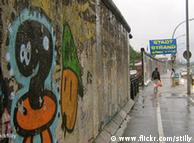
柏林墙倒塌后20年的今天Bildunterschrift: 柏林墙倒塌后20年的今天

东部地区缺少工业核心,企业规模都相对较小,德国西部的大型企业或者国际型企业一般都只在德东地区开设分厂。东部还只是西部工厂的一种延伸。诸如研 发、市场营销和领导这些高水平高要求的工作岗位主要还是集中在西部的康采恩总部那里。经济学家们认为,可以通过加强科研与经济的紧密结合,以及扶持创新型 企业东移等政策缩小两边的差距。应该以小而精为口号。但是东部地区现在还存在一个问题,这就是人口数量急剧下降。德累斯顿经济景气指数研究机构的耀赫·拉 格尼茨估计,东部地区人口数量已经减少了200万。拉格尼茨表示:"这种情况必须当成一个问题来对待,要采取平衡性的策略来解决。这样考虑问题,就会自动 地涉及教育、提高生产力的措施、研究与开发这些领域,因为这些方面是能够真正帮助东部的基础。现在应该考虑的是怎样将地区人口变化变成积极的而不是消极的 因素。"

尽管目前还存在着一些尚待解决的问题,经济学家们对于柏林墙倒塌20年后今天德国东部地区的经济仍是给予了一个积极的评价。德东地区经济状况常常遭 到负面描述,经济学家们认为,这是因为人们从转型时期开始就对对东部经济期待过高,以及使用了错误的评估标准造成的。但是人们不应该忘记,由于受非工业化 政策所害,1992年德东地区的毛生产新增值只相当于西部的3%。而这些年的休整补偿性政策取得的成就却没有得到应有的评价。

作者:Sabine Kinkartz / 洪沙

责编:乐然


2009年8月22日 星期六

懷念一些朋友

懷念一些朋友


In 1543 the Suzhou artist Wen Zhengming painted a picture, "Living Aloft: Master Liu's Retreat." He made the picture for an old friend, who at 69 was finally able to leave his government job but had no place quiet to go. So Wen built one for him in the painting.

Photo: Metropolitan Museum of Art


"......
至於你說2011/10 月為祝賀三呆的人生第二場起跑,
不免讓我失笑,我早已經起跑了
到時恐怕應該是祝賀人生的第三個半場才對吧。
我意思是好朋友們聚在一處聊聊可也
不要有什麼名堂比較好,免得落個沽名釣譽的笑柄。
隨著年紀的變化,每次遠行時時差的適應總是一個大問題
來到密蘇里州,時差既已經大體適應
我對這塊土地的興趣與日俱增
我上週四為了一睹密蘇里大河的風情,
走了一趟大約50公里的單車之旅,
一個人騎在幾乎沒有人跡的單車道上
看著大河的流水緩緩流向東方
只有兀鷹在天上盤旋,
地上有小鹿,烏龜,松鼠和野牛、青蛙和我相伴
腦中浮現的是馬克吐温寫的湯姆歷險記書中的那些情境
心中的激動不言可喻
擱置了一段時間的寫作情懷又開始浮動起來了
我盼望重新拿起筆來再寫點東西
這些年來我最感謝的是你對於我的寫作的不斷鼓勵
密蘇里沒有許多大都會 的常有東西
在這大學城竟連那個有點像誠品的Borders書店也沒有,
但是它擁有全美國最長360公里的單車道
雖然上次單車之旅碰上大雨淋成落湯鷄
又在天黑的雨中迷失了回家的路
折騰了半天才回到家
我可沒有嚇破膽,這幾天我還要繼續踏上征程
到時讓我再向大家報告吧!
再談
三呆

PS: 你轉錄的〔Hermann Hesse〕的詩作,我很有同感
我總納悶你怎會讀到這樣令人深思的文章呢!"

HC 說/回信 "難得王老師給我們好消息

我報告一下 信中一些"問題"

近日無什"突破"
弟數月前異想天開 拿掉ADSL 所以多利用台大NTU圖書館 (近日新流感風聲高 玉燕抱怨NTU人多風險更高......)
H. HESSE 的引言就因為NTU的查資料當機 2天 所以改用書庫內的電腦
架上有還書 我取出翻翻 " 犧牲"點時間筆記

我沒上INTERNET時候 多在 寫2010年的書本 (TPS等 2010年寫東海圖書館的一些書人物等等回想 各位可知我打算每年將回憶錄寫在研討會書上..) 改2009年的書 讀書 "


"你不應該渴望完美的學說 而應該完善你自己"
玻璃珠遊戲 近十年前我們有過一讀書會

黑塞画传

頁245

Hermann Hesse :Leben und Werk in Bild edited by Volker Michels, 1973

----
去年8月8日去中研院訪問過趙民德老師。今年也想如法泡製,可以一直沒在 gmail 看它他現身,......然後周末是大水災,我黏在電視"心急如焚"......所以沒見趙先生。

(民德師

將您名字打錯 該打三大版
很佩服您的勁 譬如說您前年訪武夷山
我去泉州數次 每回從金門匆匆回來
希望有空可以去蘇州訪問您
再謝)

隔周五在泉州的鞋廠看到 Justing現身,我急忙與他網上問候(CHAT) ,真沒想到他們工廠是台南的受災區,Justing 說他正在清理、中華電信正在檢驗其網路、然後斷信.....

我回來,Scott 說十月的"轉型"一書篇幅太長!必須刪減數百頁。大家都知道:寫文章不容易;割愛更痛苦......

看過David Hsu 在Gmail數次,來不及問候......我在提議網路討論 Chasing the Rabbit.....所以更懷念沒去上班時的David.....上班之後都得以公司事情為重......

讀到"我很早就計劃75歲時退休...."( 賴東明),想起晃三兄和我高中同學洪醫生......75歲很遙遠也很近......


****


朋友與王老師

日子...過去訪過"觀霧" 現在又重新開放 過去sars的恐怖氣氛 現在又隱現
但是 我們還是要奮進
提議:

從2008年起 我們開始與東海大學合作"搞"研討會 出書
去年結束時 與DAVID 談是否2009年到中原....
我有一提議
2010年仍在東海 台北場慶祝陳教授新書 80華誕
2011 /10 可以將研討會設在中原 祝賀王老師下半場開跑
大家將過去的一篇好文章再整理 或新作 整理ˋ出書

網誌存檔